Crafting for Relaxation
Discover how mindful crafting can reduce stress, enhance creativity, and bring inner peace to your daily life.
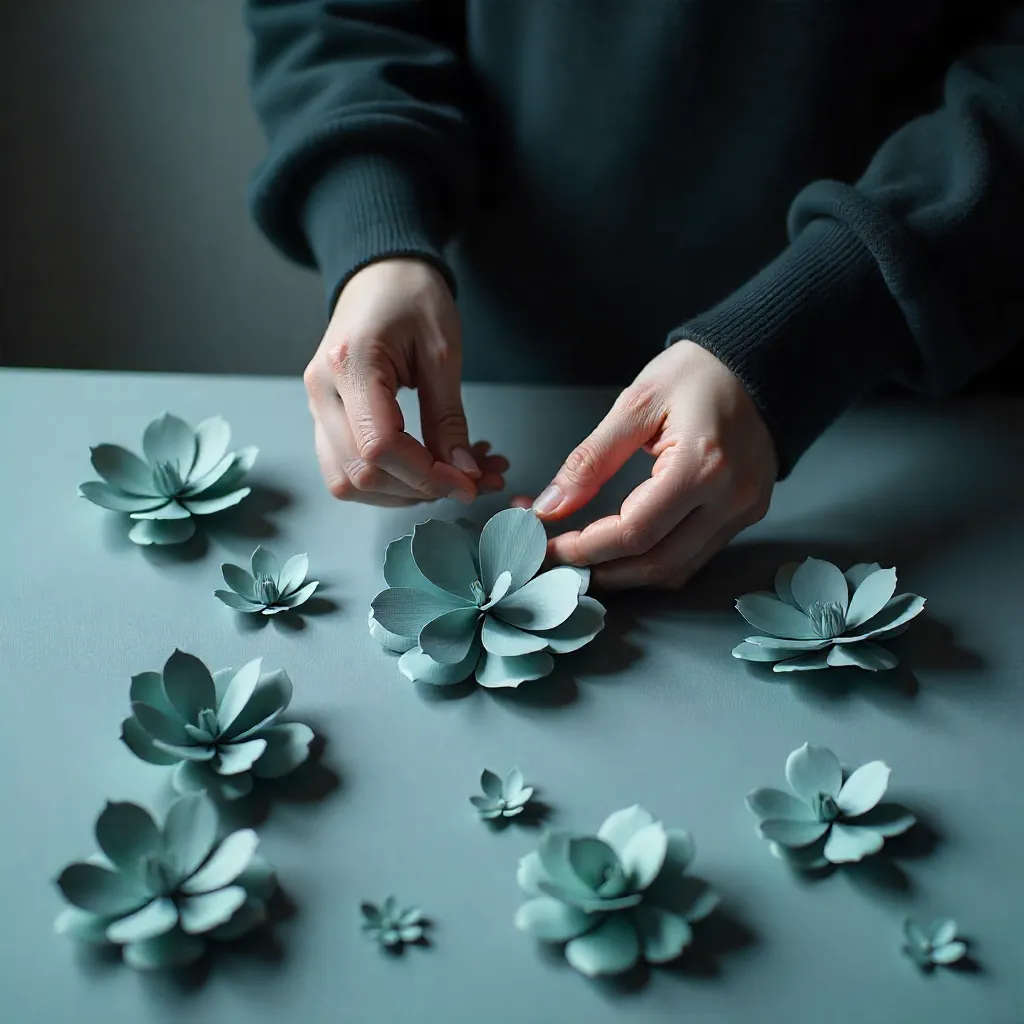
The Science of Mindful Crafting
Engaging in creative activities activates the brain's reward system, releasing dopamine and promoting feelings of accomplishment. The repetitive, rhythmic motions found in knitting, weaving, and other crafts can induce a meditative state similar to traditional meditation practices. Research has shown that regular creative engagement can lower cortisol levels, reduce anxiety, and improve overall mental well-being.
When you focus on a craft project, your mind enters a state of "flow" - a psychological state where you're fully immersed in an activity. This flow state is associated with reduced stress, increased happiness, and enhanced creativity. The tactile nature of crafting also provides sensory stimulation that can ground you in the present moment, making it an effective tool for managing stress and anxiety.
Mental Health Benefits
Stress Reduction
The focused attention required for crafting helps quiet the mind's chatter. As you concentrate on the task at hand, worries and stressors naturally fade into the background. The rhythmic nature of many crafts creates a calming effect similar to breathing exercises.
Enhanced Creativity
Regular crafting exercises your creative muscles, helping you think more flexibly and solve problems more effectively. The act of making something from nothing builds confidence in your creative abilities and encourages innovative thinking in other areas of life.
Improved Focus
In our distraction-filled world, crafting provides an opportunity to practice sustained attention. Working on a project trains your brain to focus for extended periods, which can improve concentration in other areas of your life.
Emotional Expression
Crafting offers a non-verbal way to express emotions. Colors, textures, and forms can communicate feelings that are difficult to put into words. This creative expression can be therapeutic and help process complex emotions.
Sense of Accomplishment
Completing a craft project provides tangible evidence of your efforts and abilities. This sense of achievement boosts self-esteem and provides motivation to tackle other challenges in life.
Social Connection
Crafting can be a social activity that brings people together. Sharing projects, learning from others, and creating in community fosters connection and reduces feelings of isolation.
Daily Mindful Crafting Routines
Morning Ritual (15-30 minutes)
Start your day with a simple crafting activity to set a calm, focused tone. Choose something repetitive and meditative like knitting a few rows, folding origami, or working on a simple embroidery pattern. This morning practice helps center your mind and prepares you for the day ahead.
Midday Break (10-20 minutes)
Use your lunch break or afternoon pause for a quick crafting session. This can help reset your mind, reduce afternoon stress, and boost creativity for the rest of your workday. Simple activities like paper folding or working on a small knitting project work perfectly for these shorter sessions.
Evening Wind-Down (30-60 minutes)
End your day with a longer crafting session to help transition from work mode to relaxation. This evening practice can replace screen time and help your mind unwind naturally. Choose projects that don't require intense focus - let your hands work while your mind rests.
Weekly Deep Dive (2-3 hours)
Set aside time each week for a more substantial project. This extended session allows you to fully immerse yourself in the creative process and experience deeper states of flow. Use this time to learn new techniques or work on larger, more complex projects.
Creating Your Mindful Crafting Space
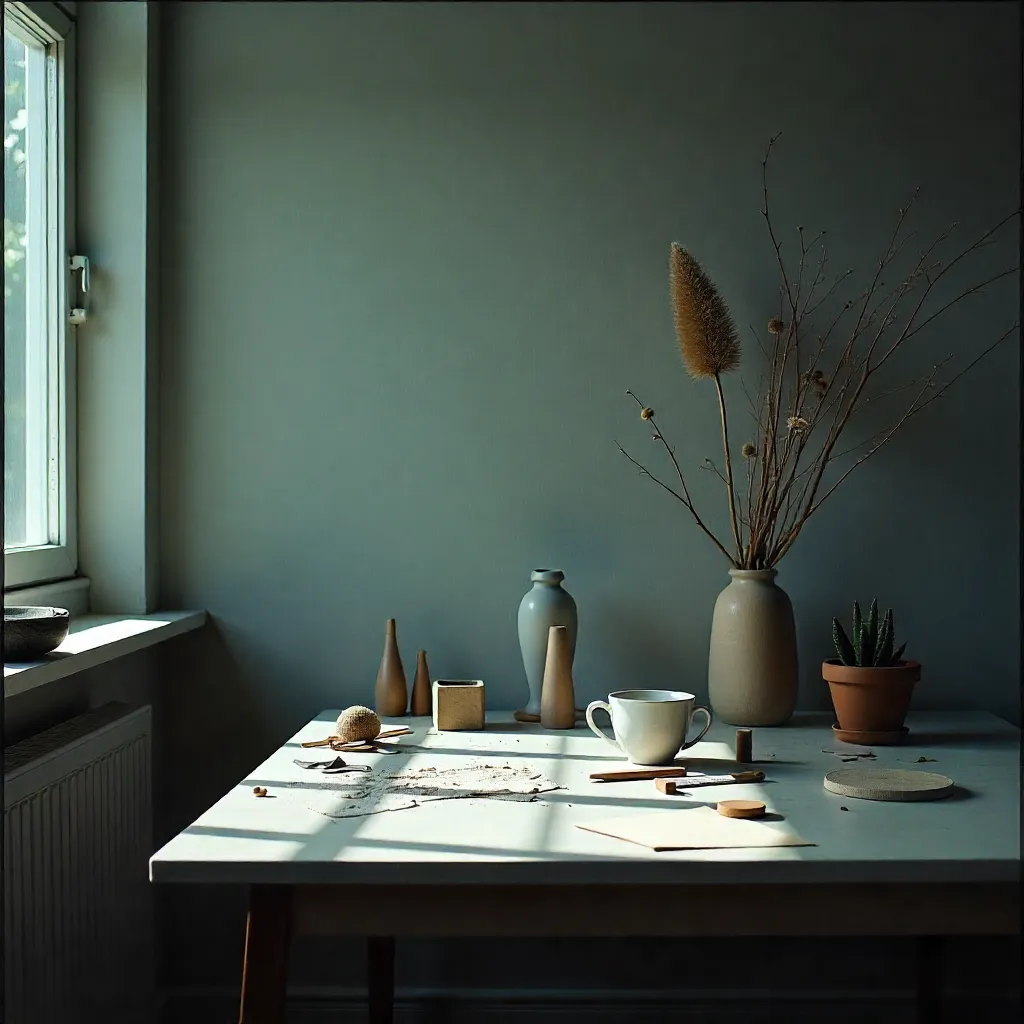
Your crafting environment plays a crucial role in your mindfulness practice. Choose a space with natural light when possible, as it enhances mood and reduces eye strain. Keep your materials organized but accessible - a cluttered space can create mental clutter. Consider adding elements that promote calm: plants, soft textures, and perhaps gentle background music or nature sounds. Most importantly, make this space feel like a sanctuary where you can leave daily stresses behind.